



How Meal Prep Packaging Machines Adapt To Different Food Types And Packaging Materials
The food industry has been dominated by meal prep. Busy parents and people who are fitness enthusiasts want ready meals in a short time and yet fresh and safe meals. In business terms, it means that the packaging matters as much as the food in it.
A meal prep packaging machine makes this possible. It adapts to different meal types and uses the right materials to keep food appealing and safe. This guide explores how these machines work across various meal segments, materials, technologies, and safety needs. Read on to learn more.
Meal Market Segments and Packaging Requirements
Different meal types call for different packaging solutions. Let’s see how machines adapt to each.
▶Ready-to-Eat Meals
These meals are cooked and ready for immediate use. They need packaging that:
● Keeps meals fresh for days.
● Holds sauces, grains, and proteins without mixing.
● Offers quick reheating in microwaves.
A meal packaging machine uses portion control and sealing systems to keep everything neat and convenient.
▶Frozen Meals
Frozen meals must handle extreme cold and long storage. The packaging must:
● Does not crack or break easily at low temperatures.
● Seal tightly to prevent freezer burn.
● Support easy reheating in microwaves or ovens.
Machines ensure seals are strong and airtight, keeping taste and texture intact.
▶Fresh Meal Kits
Meal kits are used to deliver raw, fresh home-cooking ingredients. Packaging here must:
● Separate proteins or veggies and grains.
● Always keep food breathable or it will end up spoiled.
● Provide clear labeling for easy prep.
A meal prep packaging machine often works with trays, pouches, and labels to keep everything fresh and organized.
Packaging Materials
Now let’s look at the materials that protect meal prep food.
◆Plastic Trays and Bowls
Plastic trays are strong and multipurpose.
● Great for ready-to-eat and frozen meals.
● Microwave-safe options are available.
● Dividers keep ingredients separate.
Tray filling, sealing and wrapping are done with speed and precision by machines.
◆Eco-Friendly and Biodegradable Materials
Safety of the planet is the concern of the people; that is why eco-friendly materials are popular.
● Plastic wastes are reduced by the use of compostable bowls and paper trays.
● Plant-based plastics are durable and safe.
● Customers value green packaging as much as convenience.
Modern meal preparation packaging machines are easily customized to new materials. They keep brands environmentally friendly.
◆Sealing Films
No matter the tray or bowl, films seal the deal.
● Heat-sealed films keep meals airtight.
● Peelable films make opening easier.
● Printed films offer branding and clear instructions.
High-quality sealing ensures freshness while giving a polished look.
Machine Types and Core Technologies
Technology keeps meal packaging efficient and reliable. Let’s discuss the machine types that make meal prep packaging fast, safe, and reliable.
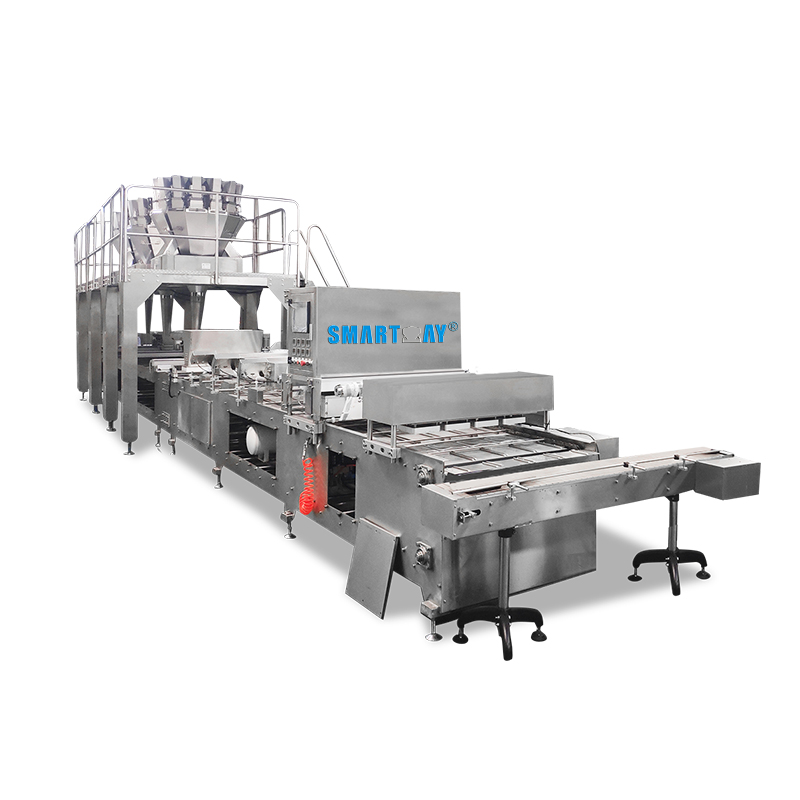
✔Multihead Weighers and Tray Sealing Machine
This setup does two jobs in one line. The multihead weigher splits food into equal portions, fast and precise. Right after, the sealing machine seals tight. That keeps the food fresh and stops leaks. It’s a reliable combo for meal prep businesses that need speed and accuracy at the same time.
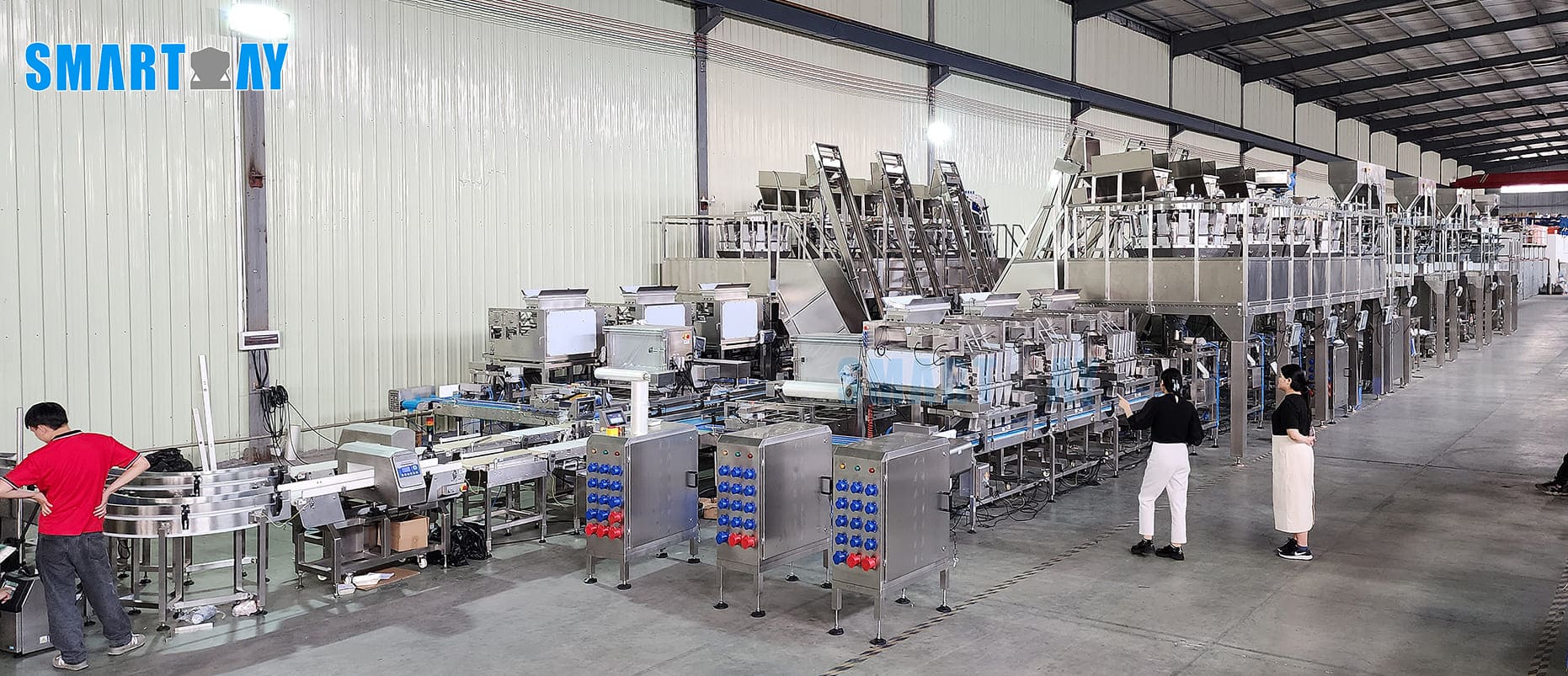
✔Multihead Weigher and Modified Atmosphere Packaging (MAP) Technology
MAP technology changes the air inside the pack to keep food fresh longer. The weigher first portions the food, then the MAP system seals it in a controlled mix of gases. Less oxygen means slower spoilage. This way, meals look and taste fresh even after sitting in the fridge or on a store shelf for days.
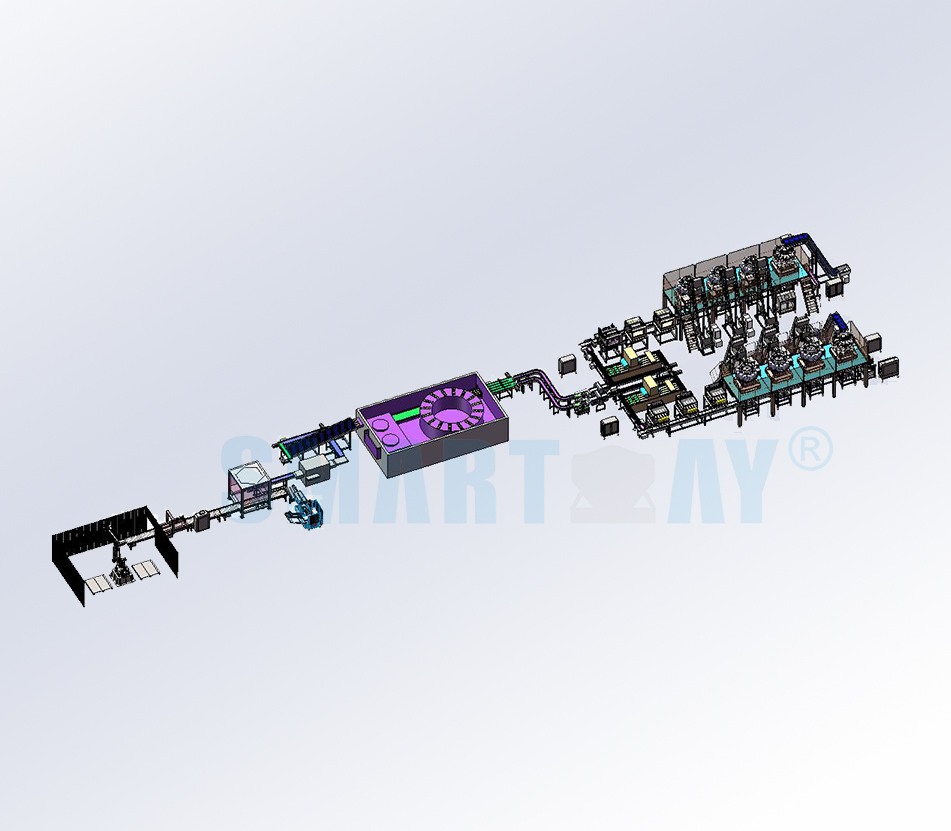
✔End of Line Automation Machine
These machines handle the final steps before products leave the factory. They group, box, and label the meal packs automatically. That cuts down on manual work and makes shipping faster. It also reduces mistakes in labeling and packing, which is vital for food safety. For busy meal prep lines, end-of-line automation keeps everything moving smoothly.
Hygienic Design and Allergen Control
The most important things in meal prep are safety and cleanliness.
▶Sanitary Construction Features
A meal packing machine is often built from stainless steel.
● Resists rust and bacteria.
● Easy to wipe and clean.
● Meets food-grade safety rules.
▶Allergen Segregation and Safety
Cross-contamination is a serious risk. Machines adapt by:
● Running separate lines for allergen-heavy meals.
● Using clear labels for nut-free or gluten-free kits.
● Designing trays that prevent ingredient mixing.
▶Easy Cleaning and Maintenance
Downtime costs money. Machines that are easy to clean and maintain help:
● Reduce stoppages.
● Keep hygiene standards high.
● Extend the life of the equipment.
User-friendly designs mean staff can clean quickly and get back to production.
Conclusion
A meal prep packaging machine is designed to meet all challenges, including ready-to-eat to frozen meals. It operates using plastic trays, greener materials and sealing films to make food remain fresh. These machines provide uniform quality with multihead weighers, sealing systems and MAP technology. When machines are hygienic, safe for allergens and easy to clean, they give meal prep businesses the best chance to run smoothly and succeed.
Want to scale your meal prep business with less stress? At Smart Weigh Pack, we build advanced meal prep packaging machines that handle different foods and materials with ease. Contact us to find the right solution for your business.
FAQs
Question 1. What are the key meal prep packaging needs?
Answer: The food is supposed to be packaged in a proper way, which means it will be fresh or safe and easy to store or reheat.
Question 2. What is the best material to use in meal prep packaging?
Answer: Trays made of plastic, bowls that are environmentally friendly, and powerful sealing films are the options depending on the type of meal.
Question 3. How do machines handle different food types safely?
Answer: They use weighers with multiple heads to get the correct portions, sealing mechanisms to get tight packs and hygienic designs to ensure safety.
Question 4. Why is hygienic design important in packaging machines?
Answer: It is easy to clean, prevents contamination and guarantees that allergens are kept under control.

Smart Weigh is a global leader in high-precision weighing and integrated packaging systems, trusted by 1,000+ customers and 2,000+ packing lines worldwide. With local support in Indonesia, Europe, USA and UAE, we deliver turnkey packaging line solutions from feeding to palletizing.
Quick Link
Packing Machine