



How Are Chips Packed?
Chips are a favorite snack for many since the day chips as a snack were discovered and invented, everyone has loved them. There may be a few personalities who don't like to eat chips. Today chips come in many forms and shapes, but the chip-making process is the same. This article guides you through how potatoes are turned into crispy chips.
The Manufacturing Process of Chips
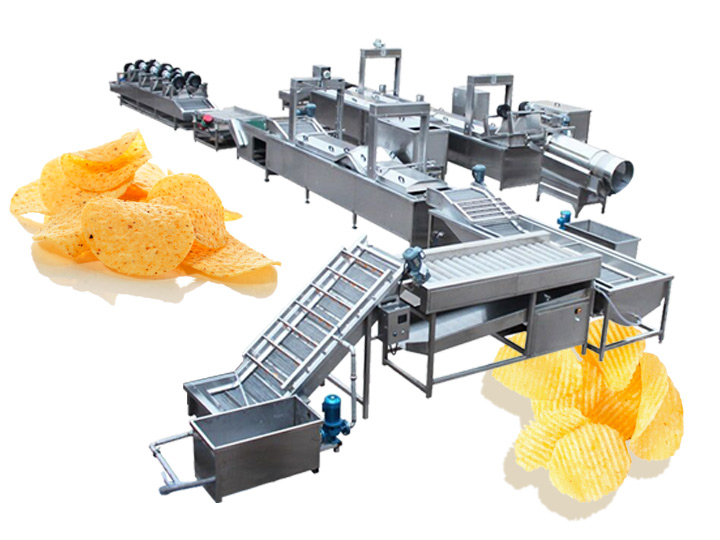
From the fields, when potatoes arrive at the manufacturing plant, they have to pass many different tests in which the "Quality" test is the priority. All the potatoes are tested carefully. If any potato is defective, more greenish, or infected by insects, it is thrown away.
Every chip manufacturing company has its own rule for considering any potato as damaged and not to be used for making chips. If a certain X k.g increases the damaged potatoes' weight, then the whole truckload of potatoes can be rejected.
Nearly every basket is filled with half a dozen potatoes, and these potatoes are punched with holes in the center, which helps the baker keep track of every potato throughout the process.
The selected potatoes are loaded on the moving belt with the minimum vibration to protect them from being damaged and keep them in flow. This conveyer belt is responsible for taking potatoes through the different process manufacturing till the potato is turned in into a crispy chip.
Following are some steps involved in the chip-making process
Destoning and peeling
The first step for making crispy chips is to peel the potato and clean its different stains and damaged parts. For peeling a potato and removing a stain, potatoes are put on a vertical helical screw conveyer. This helical screw pushes the potatoes towards the conveyer belt, and this belt sharply peels off the potatoes automatically without damaging them. Once potatoes are peeled off safely, they are washed with cold water to remove the remaining damaged skin and green edges.
Slicing
After peeling and cleaning the potatoes, the next step is to cut potatoes. The standard thickness of the potato slice is (1.7-1.85 mm), and to maintain the thickness, the potatoes are passed through the presser.
The presser or impaler cuts down these potatoes according to the standard size thickness. Often these potatoes are sliced straight or in ridged shape due to the different shapes of the blade and cutter.
Color Treatment
The color treatment stage depends upon the manufacturers. Some chips-making companies want to keep chips looking real and natural. So, they don't pigment their chips.
Coloring can also alter the chips' flavor, and it may taste artificial.
Then the potato slices are absorbed in the solution to keep their hardness permanent and add other minerals.
Frying and Salting
The following process in making crispy chips is to soak the extra water from the potato slices. These slices are passed through the jet covered with cooking oil. The oil temperature is kept constant in the jet, nearly about 350-375°F.
Then these slices are softly pushed forward, and the salt is sprinkled from above to give them a natural taste. The standard rate of sprinkling salt on a slice is 0.79 kg per 45kg.
Cooling and Sorting
The last process of making chips is to store them in a safe place. All the hot and salt-sprinkled potato slices are moved out through a mesh belt. In the final process, extra oil from the slices is soaked out along this mesh belt by the cooling process.
Once all extra oil is removed, the chip slices are cooled down. The final step is to take out damaged chips, and they go through an optical sorter, responsible for extracting the burned chips and removing the extra air which gets in them while drying these slices.
Primary Packing of Chips
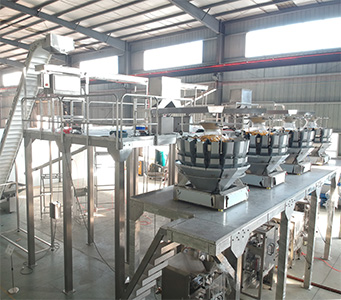
Before the packing step begins, the salted chips go into the packaging machine and must pass through the multi-head weigher via the conveyor belt. The primary purpose of the weigher is to ensure that each bag is packed within the allowed limit by using the right combination of weighted chips passing through.
Once chips are finally prepared, it's time to pack them. Like manufacturing, the chips' packing process requires precision and an extra hand. Mostly vertical packing machine is required for this packing. In the primary packing of chips, 40-150 chips packs are packed under 60 seconds.
The shape of the chip packet is made through the reel of packaging film. The common packet style for chips snacks is pillow bag, the vffs will make the pillow bag from the roll film. The final chips are dropped into these packets from multihead weigher. Then these packets are moved forward and sealed by heating the packaging material, and a knife cuts down their extra length.
Date Stamping of Chips
A ribbon printer is in the vffs can print the simplest date to mention that you should eat chips before a specific date.
Secondary Packing of Chips
After the individual packets of chips/crisps are done, they are packed into batches multi-packs, such as when packed into cardboard boxes or trays for transit as a combined package. Multi-packing involves collating the individual packets in 6s, 12s, 16s, 24s, etc., depending on the transit requirement.
The horizontal packing machine packing chips method differs slightly from the primary one. Here, chips making companies can add different flavors in a row in different packets. This process can save a ton of time for chip manufacturing companies.
There are many different chip packaging machines, but if you are looking for something with updated advanced tools, then ten head chip packaging machine is the best choice. You can pack ten chips packet in a row without delay. It will not only increase your business productivity but also save time.
Simply put, your productivity will increase by 9x and be very cost-effective. The custom bag size you will get by this chips packaging machine will be 50-190x 50-150mm. You can get two types of packaging bags Pillow Bags and Gusset Bags.
Author: Smartweigh–Multihead Weigher
Author: Smartweigh–Multihead Weigher Manufacturers
Author: Smartweigh–Linear Weigher
Author: Smartweigh–Linear Weigher Packing Machine
Author: Smartweigh–Multihead Weigher Packing Machine
Author: Smartweigh–Tray Denester
Author: Smartweigh–Clamshell Packing Machine
Author: Smartweigh–Combination Weigher
Author: Smartweigh–Doypack Packing Machine
Author: Smartweigh–Premade Bag Packing Machine
Author: Smartweigh–Rotary Packing Machine
Author: Smartweigh–Vertical Packaging Machine
Author: Smartweigh–VFFS Packing Machine

Smart Weigh is a global leader in high-precision weighing and integrated packaging systems, trusted by 1,000+ customers and 2,000+ packing lines worldwide. With local support in Indonesia, Europe, USA and UAE, we deliver turnkey packaging line solutions from feeding to palletizing.
Quick Link
Packing Machine